Ingredients
- 1 cup uncooked wild rice
- 2 beets, roasted and cubed
- 1 sweet potato, roasted and cubed
- 1 cup kale, massaged with olive oil
- 1/4 cup pumpkin seeds
- Dressing: 2 tbsp olive oil, 1 tbsp maple syrup, 1 tbsp apple cider vinegar
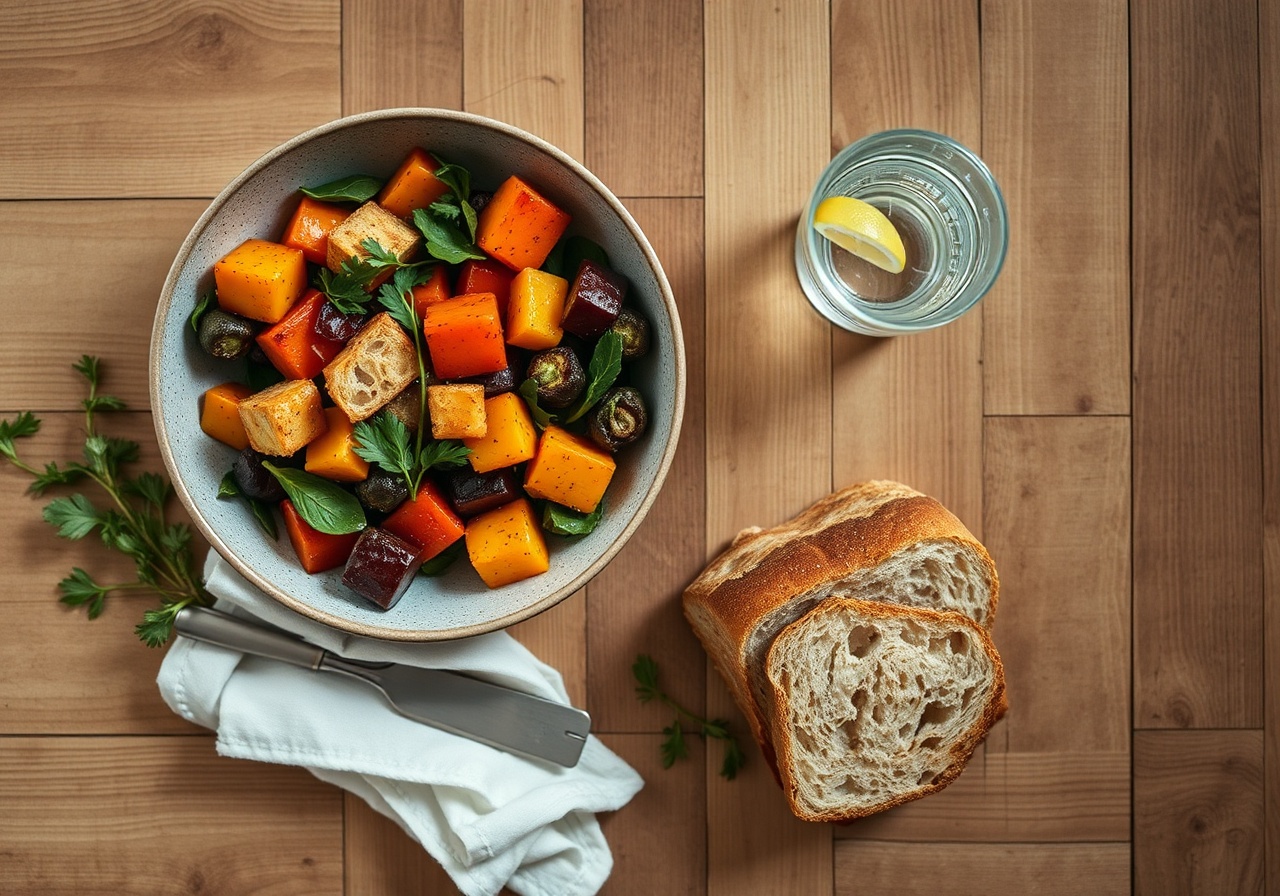
There is a specific kind of hunger that only mothers understand. It is not the gnawing emptiness of an empty stomach, but a deeper, more insistent void—a craving for sustenance that is not just caloric, but existential. It is the hunger that hits at 4:00 PM on a Tuesday, when the dishes are piled high and the baby has finally drifted into a nap that feels like a miracle, to be squandered on scrolling through Instagram feeds of other women who seem to have figured out how to eat a salad while standing on one leg.
We are told that motherhood is an act of total self-sacrifice. We are the vessels, the endless buffets, the snack dispensers. But somewhere in the noise of "eat your greens" and "who has time to cook?", we have lost the language of our own appetite. We have forgotten that to feed ourselves is not a luxury, but a prerequisite for being the mothers we want to be.
You cannot pour from an empty cup, but you also cannot pour from a cup that is constantly being refilled with lukewarm tap water. You need the good stuff. The heavy, complex, earthy stuff. Elena Vance, Senior Food Editor
I remember the first time I cooked for myself after my daughter was born. It was a rainy Tuesday in November. The kitchen was chaotic, the floor littered with toys, and I was running on three hours of sleep. I decided to roast a chicken. The process was meditative in its messiness. I pulled the bird out of the oven at 7:15 PM, the skin crispy and golden, the juices running clear. I sat at the small kitchen island, the only space clear of crayons, and took a bite.
It tasted like time. It tasted like the slow, deliberate effort of putting one thing in front of another. Preheat the oven to 400°F. Pat the skin dry with paper towels. Season generously with salt and pepper. Roast for 45 minutes, then baste with butter and herbs. These are the rhythms of survival.
But the act of eating it alone—truly alone, without looking up every thirty seconds to ensure the baby wasn't awake—felt like a political statement. It felt like reclaiming my body from the collective ownership of "everyone else's needs." I was not a vessel anymore. I was a diner.
This is the radical act of maternal nourishment: realizing that the food on your table is not just fuel, but a boundary. It is a declaration that your pleasure matters. It is a way of saying, "I am here, and I am worth the effort."
To feed yourself is to remember that you are not merely a vessel for others, but a body that deserves the same attention and care you give to the small lives depending on you. Elena Vance
1. Cook the Rice: Simmer in salted water for 45 minutes until fluffy.
2. Roast Veggies: Toss with oil and salt, roast at 425°F for 25 minutes.
3. Assemble: Layer rice, veggies, and kale. Drizzle dressing and top with seeds.
Senior Food Editor
Elena Vance is the mother of two, a former chef, and an advocate for the "slow food" movement. She believes that a good meal is the best cure for a chaotic day. When she isn't testing recipes, she can be found hiking with her dog or attempting to read a book without being interrupted.
Why one hour in the kitchen on a Sunday afternoon can change the rest of your week.
Read EssayThe psychology of the family dinner table and how to reclaim it.
Read EssayStrategies for busy parents who want real food, not just leftovers.
Read Guide