The Myth of the Perfect Schedule
Why rigid calendars are failing working parents and what a flexible future looks like.
Read EssayBy Elena Vance • October 14, 2025
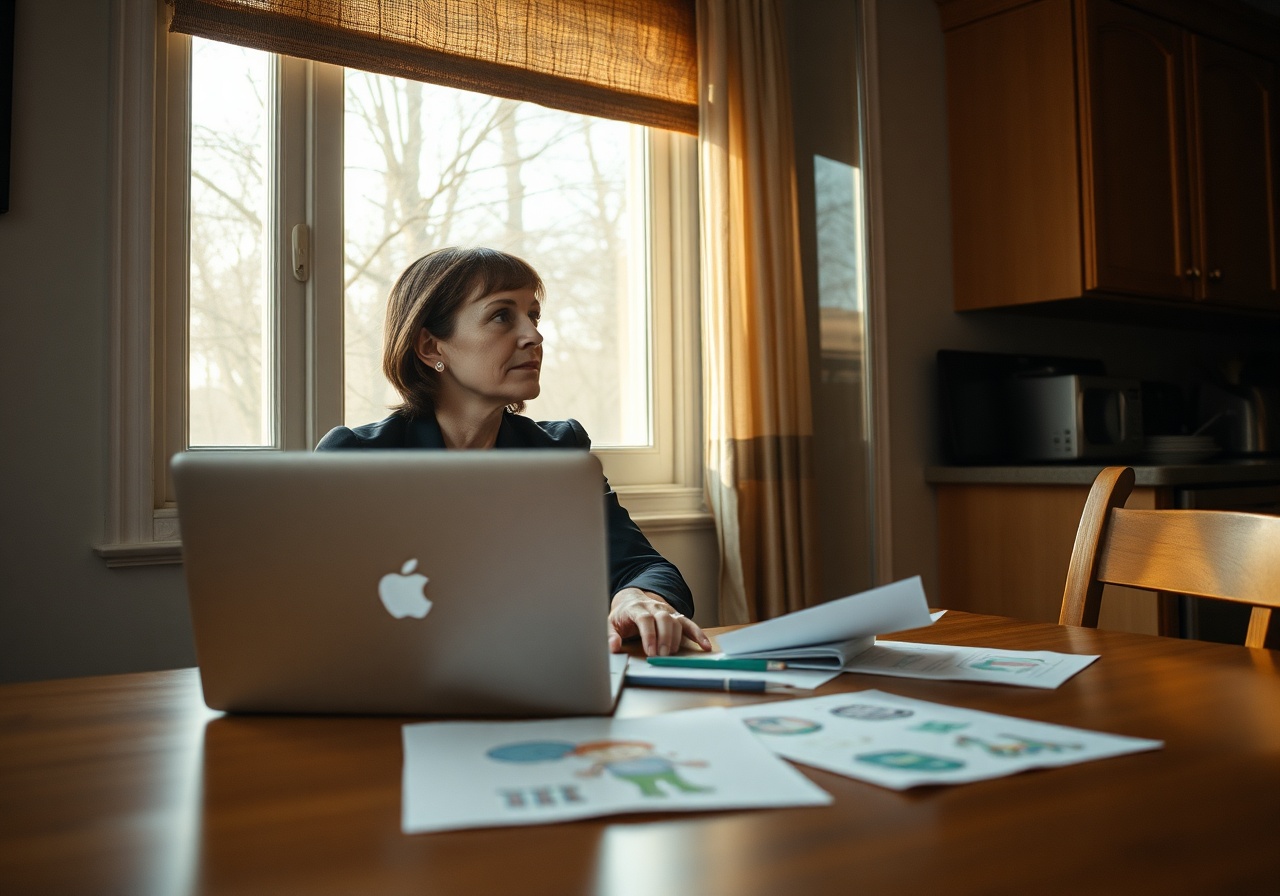
The alarm goes off at 6:00 AM. By 7:30, the kitchen is a hive of activity: oatmeal is being stirred, socks are being located, and the morning commute is being negotiated. By 9:00 AM, Elena Vance is sitting at her desk in Brooklyn, staring at a spreadsheet that represents the very thing she spent the last decade trying to escape: the corporate ladder.
For decades, the narrative of motherhood and work was a binary choice: stay home and sacrifice your career, or return to the office and sacrifice your sanity. But the "second shift"—the invisible labor of parenting that happens after the paid workday ends—is being dismantled, not by policy, but by design. Mothers are no longer just trying to survive the transition; they are rewriting the contract entirely.
"I used to think productivity was about hours logged in a chair," Vance says. "Now I measure it in the hours I spend with my daughter, the meals I cook, and the boundaries I set. The old metrics don't fit anymore."
This shift is visible in the rise of the "fractional workforce." Instead of full-time employment, mothers are negotiating 20-hour weeks, project-based contracts, and asynchronous roles that allow them to be present for school pickups without the guilt of a ringing phone. It is a rejection of the "always-on" culture that demands physical presence as a proxy for dedication.
The redesign is also aesthetic. The boardroom suit has been replaced by the hybrid uniform: a blazer worn over athleisure, a laptop balanced on a kitchen counter. The office has become a fluid concept, moving between coffee shops, co-working spaces, and dining room tables. This flexibility is not just a perk; it is a survival mechanism.
Yet, the challenge remains. The infrastructure of the modern workplace—long meetings, rigid hours, and the expectation of immediate response—was built for a workforce that does not have childcare responsibilities. Until that infrastructure adapts, the second shift will continue to be a burden. But for now, mothers like Vance are finding ways to make the work fit the life, rather than the other way around.
We stopped asking when we would get back to work and started asking what work we actually wanted to do.
Elena Vance
Senior Editor at Nexamom. Formerly a tech strategist in San Francisco. Now based in Brooklyn, she writes about the intersection of labor, family, and the future of work.
Why rigid calendars are failing working parents and what a flexible future looks like.
Read EssayA candid interview with three mothers who traded the corner office for the home office.
Read InterviewCalculating the true cost of childcare and the gender wage gap in 2025.
Read AnalysisSarah M. (London): "This article hit me exactly. I felt seen. The part about the 'invisible labor' resonated deeply. We are doing the work of two people and getting paid for one."
Jessica L. (Austin): "Finally, someone talking about the 'third shift'—the emotional labor of managing the household. Thank you for validating that this is real work."
Marcus T. (Chicago): "As a father, I appreciated the perspective on how the workplace culture needs to change to support families, not just expect them to adapt."